Mindstrong Health
Founded in 2014, Mindstrong initially focused on developing digital biomarkers to catch early signs of mental illness. Former director of the National Institute of Mental Health Dr. Thomas Insel joined the company in 2017.
It later added virtual therapy and care services, with a focus on serious mental illness. Mindstrong raised $160 million in venture dollars, including a $100 million Series C announced in 2020.
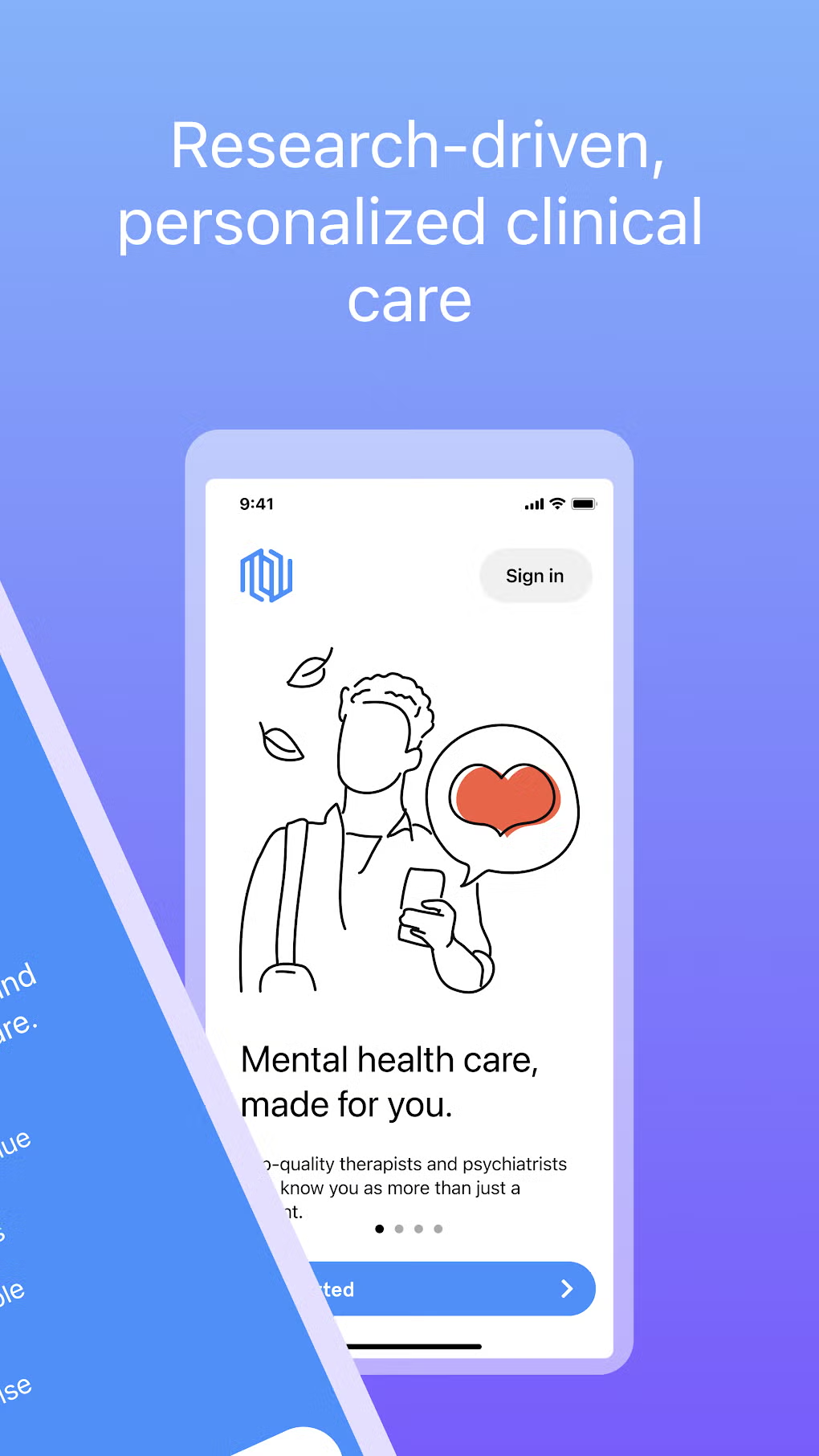
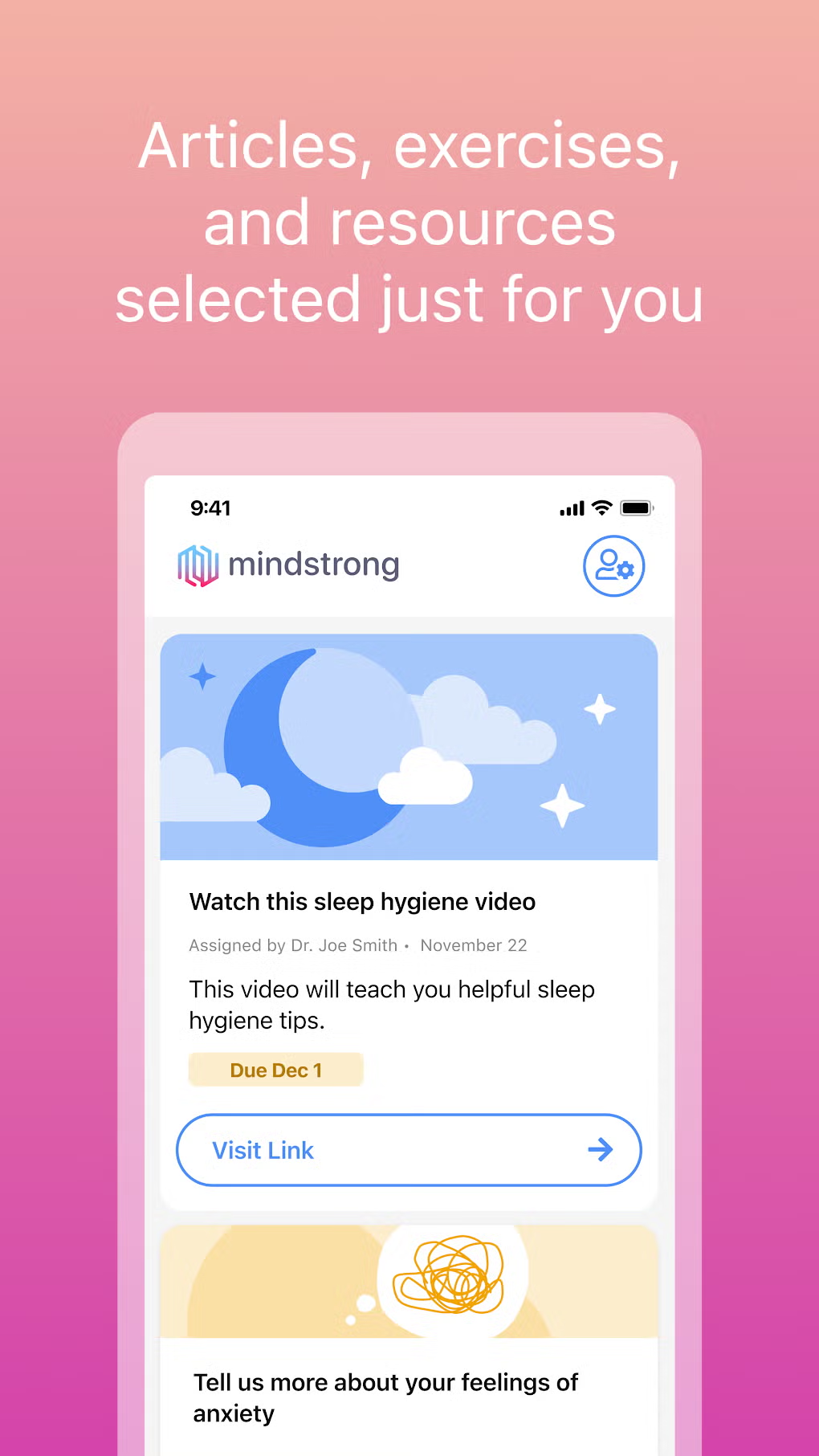
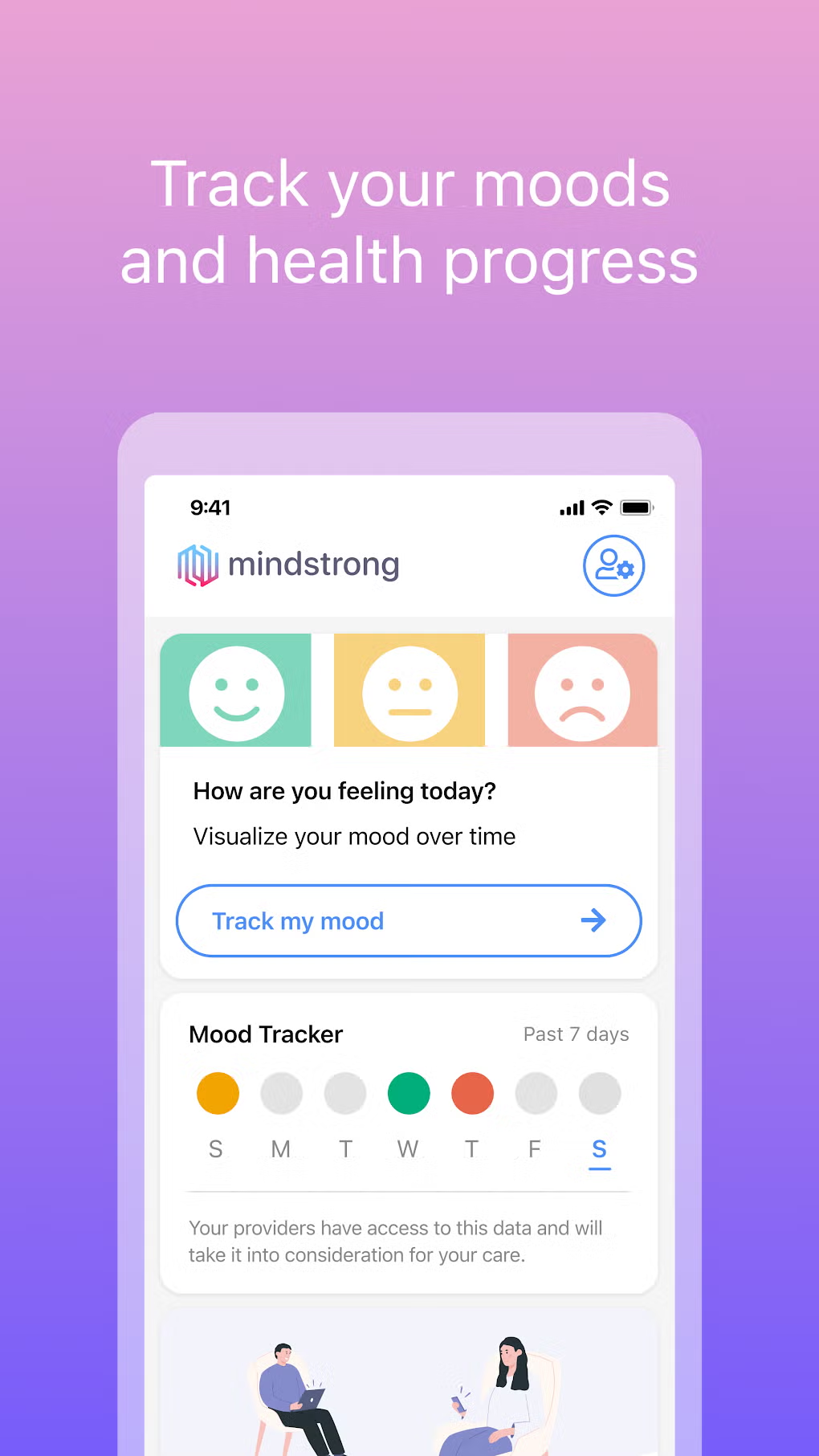
Mindstrong Health has pioneered a new model of comprehensive, around-the-clock virtual care for patients with a serious mental illness. The patient-facing smartphone app allows patients to monitor their own mental health through AI-powered digital biomarker technology that can track changes in mood and cognition. More importantly, the technology can also trigger alerts to a patient’s therapist when these markers indicate their mental health may be at risk outside of a therapy session. Therapists use in-app messaging to deliver cognitive-based therapy with patients, and help coordinate what is often times a complex care plan for an individual living with a serious mental illness. Patients can also receive video-based medication management with a psychiatrist through the app.
In 2023, Mindstrong sells tech assets to SonderMind, shuts down operations.
As written by Roy Perlis in STAT (source) :
“One of the shinier entrants to have emerged in the world of mental health startups abruptly announced last week it would wind down, right in the middle of an ongoing crisis in mental health care. Mindstrong, which had raised a total of $160 million from a who’s-who of blue-chip investors, and was led for a while by a former National Institute of Mental Health director, simply couldn’t find a way to make money delivering the low-cost, high-quality care it had promised.
(…)
Mindstrong had started out as a high-tech biomarker company trying to apply artificial intelligence and passive sensors to track mental health symptoms, but eventually shifted to providing app-based mental health care. And at that point the company discovered a fundamental truth of the U.S. health system: Americans value mental health extremely highly until they have to pay for it.”
Screenshots